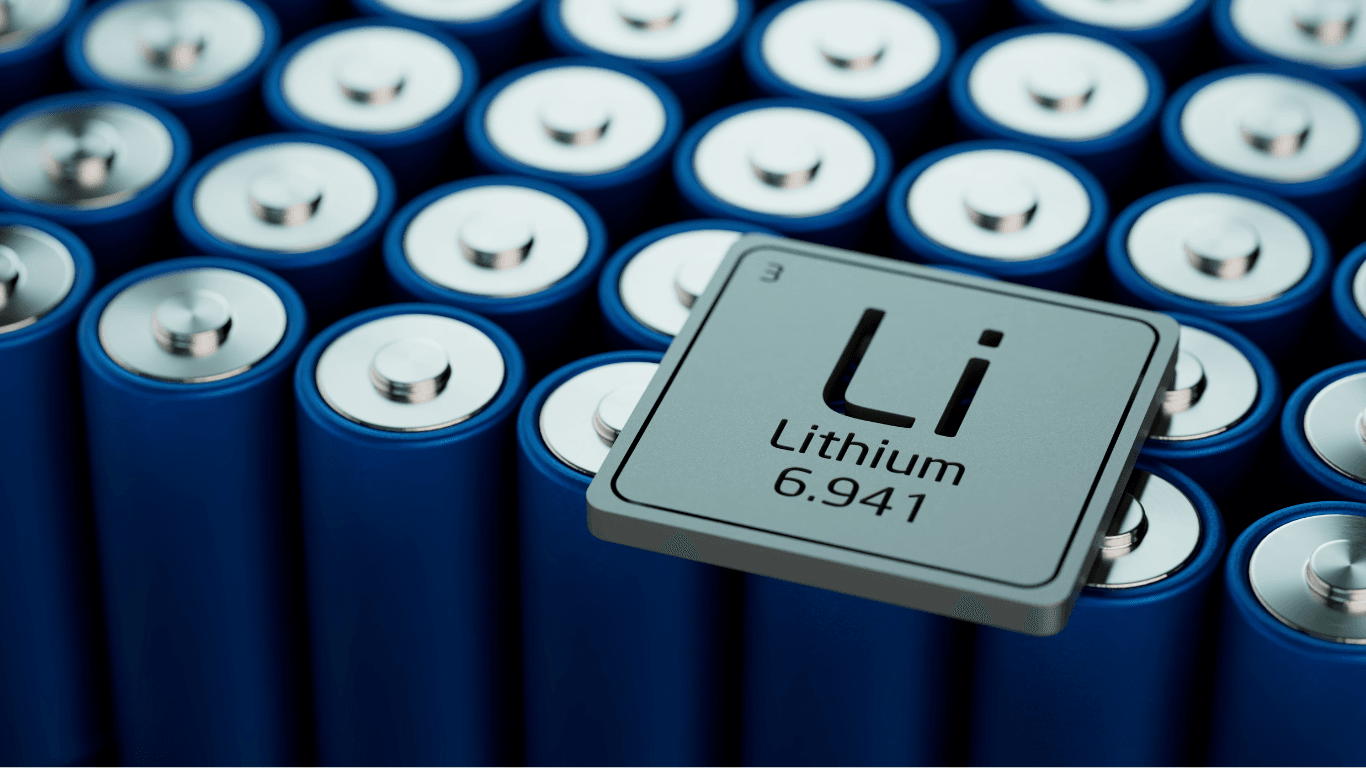
Lithium batteries are commonly used in solar installations, especially for energy storage. They help store excess solar energy generated during the day to be used at night or during cloudy periods. However, like any technology, lithium-ion batteries come with certain risks, including fire hazards, if not properly managed.
- Hazards and Risk
- Fire and Thermal Runaway:
- Thermal runaway is a major concern with lithium batteries. It’s a chemical reaction inside the battery that can cause the battery to overheat, potentially catching fire or even exploding.
- This can happen if the battery is overcharged, over discharged, exposed to high temperatures, or physically damaged.
- Electrolyte Leakage:
- Lithium batteries contain highly flammable electrolytes, which could leak if the battery casing is compromised. This can cause fires or toxic chemical releases.
- Electrical Shock:
- High-voltage systems can present risks of electrical shock during installation or maintenance. The batteries in solar energy storage systems often operate at extremely high voltages.
- Thermal Stress:
- If the batteries are not adequately ventilated or if they’re operating in extreme temperatures, they may suffer from thermal stress, which could degrade the battery’s performance or cause safety issues.
- Battery Short Circuit:
- A short circuit within the battery pack can cause rapid overheating and a fire risk.
- Controls and Safety Measures:
- Proper Battery Management System (BMS):
- A BMS monitors and manages the battery’s voltage, temperature, charge level, and health to prevent dangerous conditions like overcharging, over-discharging, or overheating. This is crucial to maintaining the safety of the system.
- Fire Prevention and Suppression Systems:
- Install fire suppression systems such as fire-resistant enclosures or automatic extinguishers to mitigate the impact of any potential fire.
- Some solar installation s use non-flammable materials around the battery storage units and ensure that batteries are spaced adequately to reduce the risk of fire spreading.
- Adequate Ventilation:
- Batteries should be housed in well-ventilated areas to prevent overheating and ensure the safe dissipation of gases or heat generated during charging and discharging.
- Regular Maintenance and Monitoring:
- Implement regular inspections to check for signs of physical damage, overheating, or electrolyte leakage.
- Continuous monitoring systems can detect early signs of battery failure or abnormal behavior, allowing for prompt intervention before a critical failure happens.
- Proper Installation and Storage:
- Ensure batteries are installed according to manufacturer guidelines, including safe distances from other equipment and structures. Also, using certified battery storage solutions designed for solar installation s can reduce risks.
- Emergency Procedures and Training:
- Workers should be trained in handling lithium battery-related incidents, including emergency response plans for fires, leaks, or electrical failures.
- Certification and Quality Control:
- Use only high-quality, certified batteries that meet safety standards. These batteries are designed with more stringent safety features, such as better thermal management.
In summary, while lithium-ion batteries used in solar installation s offer great benefits for energy storage, they do come with certain hazards, particularly related to fire risks. The right controls, such as proper battery management systems, fire suppression measures, and regular maintenance, are essential to mitigate these risks and ensure safe operation.
- Recommended Fire Extinguishers for Lithium Battery Fires:
- Class D Fire Extinguisher (for metal fires):
- Why: Lithium is a type of metal, and when it catches fire, it behaves differently than typical fires. A Class D fire extinguisher is specifically designed to put out metal fires, including those involving lithium.
- How it works: Class D extinguishers typically contain dry powder agents (like sodium chloride or copper powder) that smother the fire and prevent it from spreading by cooling the metal and removing oxygen.
- Lithium-ion Battery-Specific Extinguishers:
- Why: There are extinguishers now specifically designed for lithium-ion battery fires. These extinguishers are generally rated for electrical and lithium-ion battery fires and may use a specialized dry powder or fire suppressant agent (like LITH-X).
- How it works: These extinguishers are designed to handle the unique chemistry of lithium-ion batteries, which can reignite if not fully extinguished.
- Class ABC Fire Extinguisher (for general use with some limitations):
- Why: While Class ABC extinguishers (which use dry chemical agents) are not ideal for lithium fires, they can be used if no other option is available. However, they may not be as effective as Class D or lithium-specific extinguishers and can potentially cause additional damage to the battery or equipment.
What to Avoid: (VERY IMPORTANT)
- Water Extinguishers: Never use water on a lithium battery fire. Lithium reacts violently with water and can cause an explosion or worsen the fire. Water should be avoided at all costs.
- CO2 Fire Extinguishers: While CO2 extinguishers are good for electrical fires, they are not recommended for lithium battery fires because they do not cool the battery enough to prevent re-ignition.
- Additional Considerations for Lithium Battery Fires at Solar Plants:
- Battery Management Systems (BMS): Many modern lithium battery systems are equipped with fire suppression and thermal management systems, which can help mitigate fire risks before they escalate.
- Training: Personnel should be trained to recognize the signs of thermal runaway and know how to use the proper extinguisher to prevent injury and damage.
- Health, Safety, and Emergency Plans: Solar installation projects should have clear health, safety, and emergency plans in place. These plans should focus on preventing accidents and providing guidance on what to do in case of an emergency. Fire extinguishers must be easily accessible, properly maintained, and available for use at all times.
In summary, Class D extinguishers or lithium-ion battery-specific extinguishers are the best options for extinguishing a lithium battery fire. If these aren’t available, a Class ABC extinguisher may work, but it’s less effective and carries risks. Always ensure the right equipment is on hand and personnel are trained in its use.
Preventing lithium battery fires at solar installation requires a proactive and comprehensive maintenance approach. Given the risks associated with thermal runaway, overheating, and chemical reactions, proper maintenance of lithium-ion battery systems is essential for ensuring safety. Below are key maintenance considerations for minimizing the risk of fires:
Regular Inspections and Monitoring
- Visual Inspections: Conduct frequent visual inspections of the battery storage area and battery packs for signs of damage, bulging, or leaks. A swollen or leaking battery is a clear indicator of an internal issue that could lead to a fire.
- Temperature Monitoring: Regularly check the temperature of the batteries to ensure they are operating within the manufacturer’s recommended range. Elevated temperatures can be a precursor to thermal runaway.
- Voltage and Charge/Discharge Monitoring: Use the Battery Management System (BMS) to track voltage levels, charge cycles, and overall battery health. Overcharging or deep discharging batteries can increase the likelihood of fires.
- Smoke and Gas Detectors: Install sensors that detect smoke or gases (like hydrogen fluoride) in the battery storage area, which can indicate a developing issue.
- Battery Management System (BMS)
- Ensure Proper Functioning of the BMS: The BMS is critical for managing battery health and preventing dangerous conditions. It should regulate voltage, temperature, and charging/discharging cycles. Regular checks and software updates are necessary to keep it functioning correctly.
- Battery Health Diagnostics: The BMS should also help identify issues like imbalanced cells or early signs of failure, which could escalate into a fire risk.
- Temperature Control and Ventilation
- Proper Ventilation: Batteries should be kept in well-ventilated areas to dissipate heat. Hot spots in the battery storage facility should be addressed by ensuring proper airflow or by using HVAC systems designed for battery rooms.
- Temperature Monitoring Systems: Install systems that monitor ambient temperatures in the battery storage space to ensure they stay within safe limits. Excessive heat can cause batteries to degrade faster, increasing the risk of failure and fire.
- Proper Storage and Spacing
- Adequate Spacing Between Batteries: Maintain proper spacing between battery units to reduce the risk of thermal runaway spreading from one battery to another. If batteries are packed too tightly, heat buildup can occur, increasing the risk of failure.
- Safe Storage Environment: Batteries should be stored in environments that are protected from extreme temperatures, humidity, or corrosive environments. Both extreme heat and cold can negatively impact battery life and increase the likelihood of failure.
- Prevent Physical Damage
- Avoid Puncturing or Crushing Batteries: Physical damage to lithium batteries, like punctures or crushing, can lead to internal short circuits, which are a primary cause of thermal runaway. Proper handling procedures and storage should be in place to prevent this.
- Use Protective Enclosures: Install fire-resistant enclosures around battery storage systems to contain any potential fires and protect surrounding areas. Enclosures also prevent physical damage and exposure to harsh environmental factors.
- Regular Maintenance of Electrical Components
- Inspect Wiring and Connections: Check all electrical wiring and connections for signs of wear, corrosion, or loose connections. Faulty wiring can cause overheating or short circuits that may lead to battery fires.
- Circuit Protection Devices: Ensure circuit breakers, fuses, or other protection devices are in place and working properly. These components help to shut down the system in the event of an electrical fault or overcurrent situation.
- Fire Suppression and Safety Systems
- Install Fire Suppression Systems: Consider installing automatic fire suppression systems (e.g., gas-based or water-mist systems) within the battery storage area. These systems can help contain a fire and reduce damage if one does occur.
- Emergency Fire Extinguishers: Keep the appropriate type of fire extinguisher (e.g., Class D or lithium-ion battery-specific) readily accessible near the battery storage area. Regularly inspect and service these extinguishers to ensure they are in working condition.
- Fire Safety Training: Ensure that all personnel working with or around lithium batteries are trained on fire safety procedures and know how to use fire suppression equipment.
- Battery Aging and Replacement
- Monitor Battery Age: Over time, lithium batteries degrade, which increases the risk of internal failure or fire. Keep track of battery age and replace batteries that are nearing the end of their service life.
- Scheduled Replacements: Follow the manufacturer’s recommended replacement schedule for batteries. Older batteries are more prone to overheating, short-circuiting, and other failures that could lead to fire hazards.
- Compliance with Safety Standards
- Follow Industry Standards: Ensure that the solar plant’s lithium-ion battery systems comply with relevant safety standards.
- Conduct Safety Audits: Regularly audit safety systems and procedures to identify potential gaps or areas for improvement in the management of lithium batteries.
- Documentation and Incident Reporting
- Record Maintenance Activities: Keep detailed records of all maintenance activities, including inspections, temperature readings, and repairs. This documentation can help identify recurring issues and improve overall system safety.
- Incident Reporting and Analysis: If any incidents (e.g., near misses, battery malfunctions, or fires) occur, they should be thoroughly investigated, and corrective actions should be taken to prevent future occurrences.
Conclusion:
By staying on top of regular maintenance and safety protocols, solar installation can significantly reduce the risk of lithium battery fires. Ensuring proper temperature control, monitoring systems, fire suppression, and physical protection is essential to prevent thermal runaway and keep the energy storage systems safe. Always prioritize safety through regular checks, ongoing training, and adherence to standards to protect both the plant infrastructure and personnel.